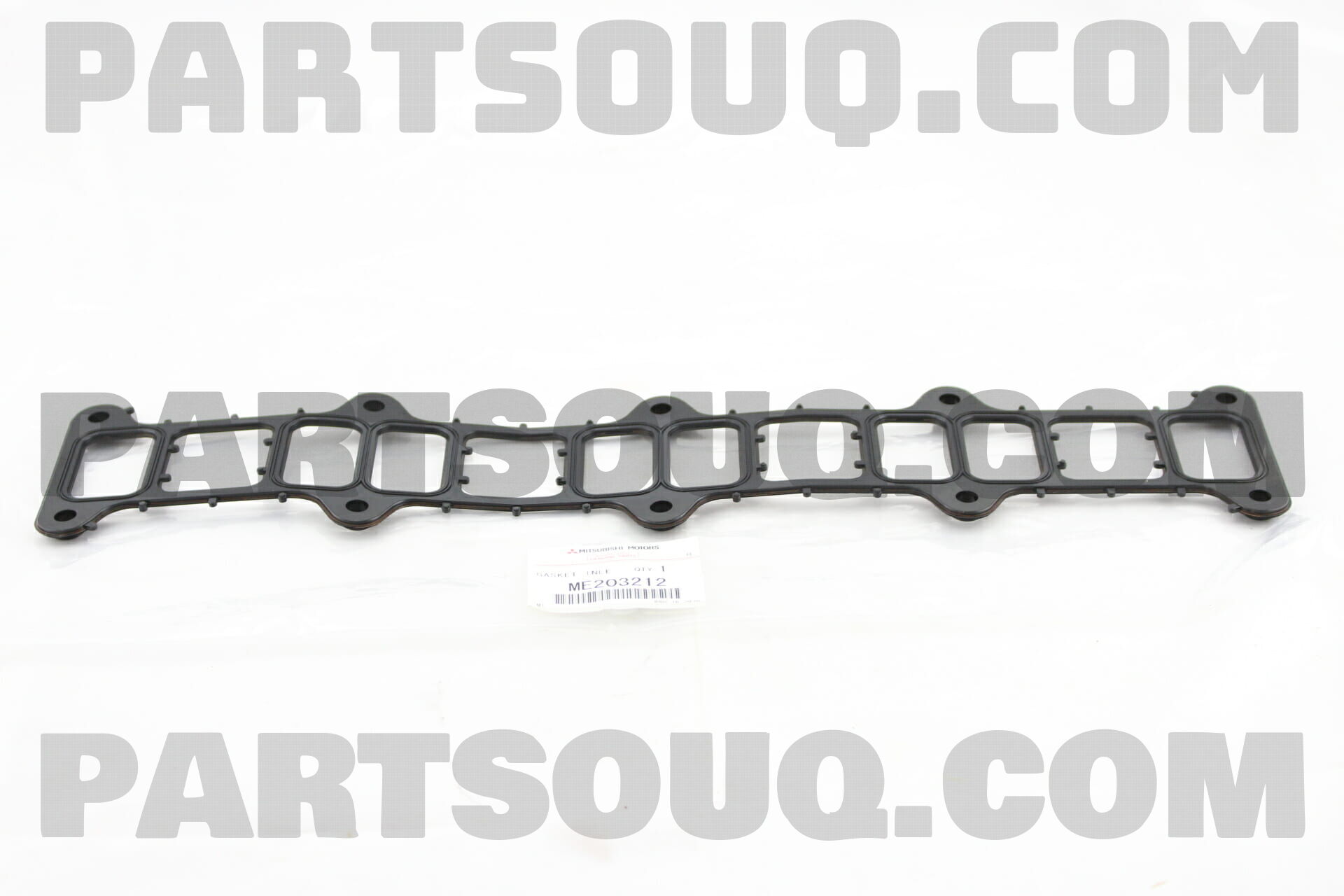
Understanding the Importance of the Inlet Manifold Gasket
The inlet manifold gasket may seem like a small component, but it plays a crucial role in the engine's performance and efficiency. This gasket serves as a seal between the intake manifold and the engine cylinder head, ensuring that air and fuel properly mix and enter the cylinders. Its primary function is to prevent air, coolant, and oil leaks, maintaining optimal engine temperature and pressure levels.
How It Works
The inlet manifold gasket acts as a barrier, preventing leaks and ensuring that the air-fuel mixture is precisely controlled as it enters the engine's cylinders. This is critical for achieving the right combustion conditions, which translates into better engine performance, fuel efficiency, and reduced emissions. By maintaining a tight seal, the gasket helps to deliver smooth engine operation and consistent power output.
Consequences of a Broken Gasket
When the gasket fails, several issues can arise. A broken or leaking gasket can lead to air leaks, causing a 'lean' air-fuel mixture, increased emissions, and potential engine overheating. It may also cause coolant leaks that could result in engine overheating or oil leaks leading to engine misfires and reduced performance. Early detection and replacement of a faulty gasket can save a significant amount of future repair costs and maintain vehicle reliability.
Compatibility
- L200
- L200 Sportero
- Triton
- Nativa/Paj Sport
- Pajero/Montero Sport
- Pajero/Montero<Short>
- Pajero
- Pajero/Montero<Long>
- Pajero/Montero
- Pajero Sport