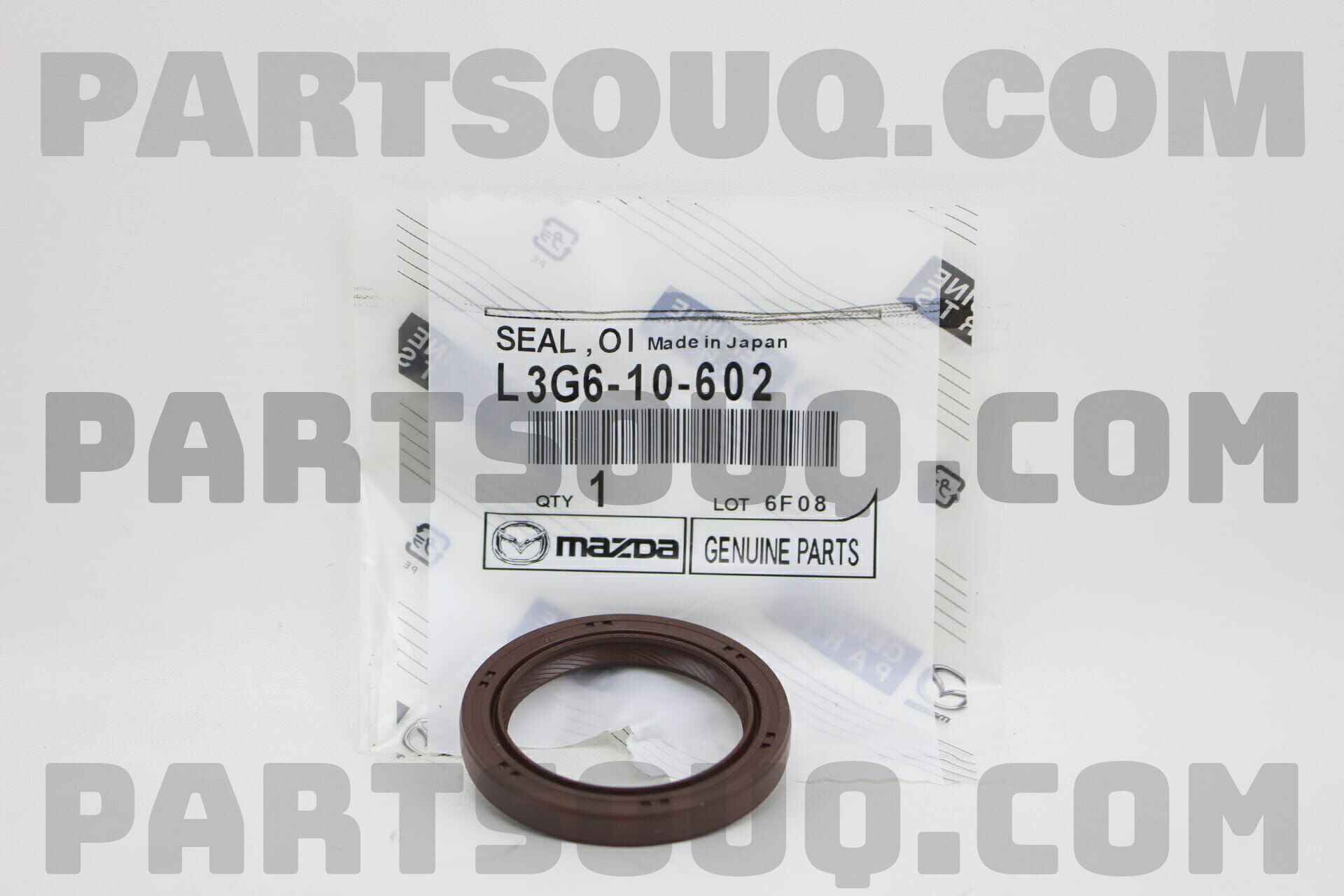
Indispensability of Oil Seals
The Oil Seal holds a remarkably inconspicuous yet absolutely vital role in the functioning of your vehicle. This unassuming part is the primary line of defense against dirt, contaminants and, most importantly, oil leakage. The work of the Oil Seal is to provide a seal between the rotating elements of your car, ensuring no oil escapes the system. In other words, it keeps all the good stuff in and all the bad stuff out.
How the Oil Seal Operates
The Oil Seal, or otherwise known as the grease, fluid or dirt seal, typically features a garter spring behind its sealing lip. The primary role of this part is to close the space between stationary and moving components in mechanical equipment, preventing oil leakage. It works by exerting pressure against the shaft, effectively sealing the slits between the shaft and the seal housing to prevent oil escape.
Consequences of a Failed Oil Seal
A broken oil seal often results in oil leakage, one of the most common problems encountered in vehicles. The leakage not only affects the car's performance but also often leads to contamination in the environment. Excessive leakage can even result in a car breaking down completely since the engine parts are not sufficiently lubricated and can overheat. Some common symptoms of a failing oil seal include visible oil leaks under the vehicle, oil stains on other components like the wheel or brake rotor, and a low oil level in your engine.
Compatibility Information
Compatible Car Models:
Axela
Biante
Premacy
Cx-7
Atenza Sedan/Sport
Atenza Mazdaspeed
Atenza Sport Wagon
Mpv
Bongo
Roadster
6
3
5
Miata
Speed 6
6 Mps
6 Wagon
Mx-5
Tribute
6 Ultra
8
Mx-5 Miata